

Discover the wonders of Desenzano with us
There are days when I wake up with a thousand thoughts, I don’t know if that happens to you too. I get up in the morning with my head spinning and I just want to feel light.
On days like these, I take an hour just for myself. After a cappuccino and a brioche, I open the hotel doors, cross the street and reach the lakefront with determination, determination, because the peler, the north wind, blows in the morning and often blows hard. But it’s precisely those swirls that ripple the lake that seem to grab hold of my thoughts and carry them far away.
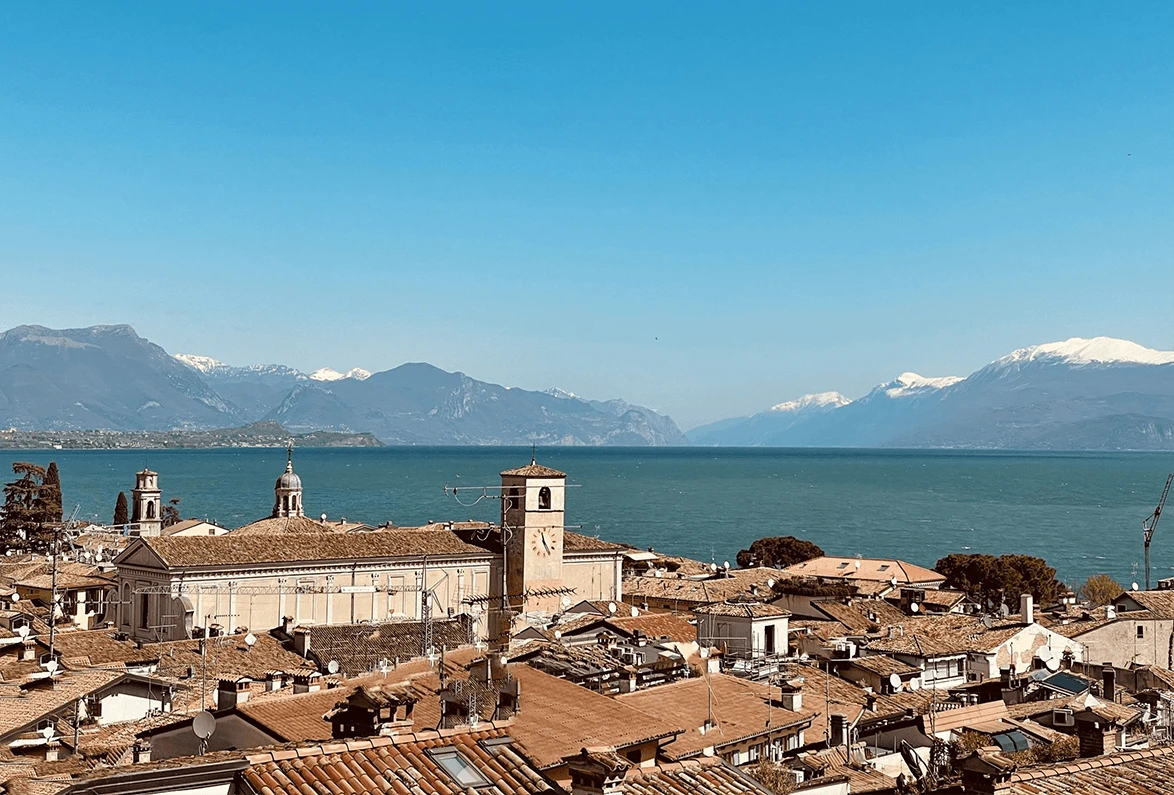
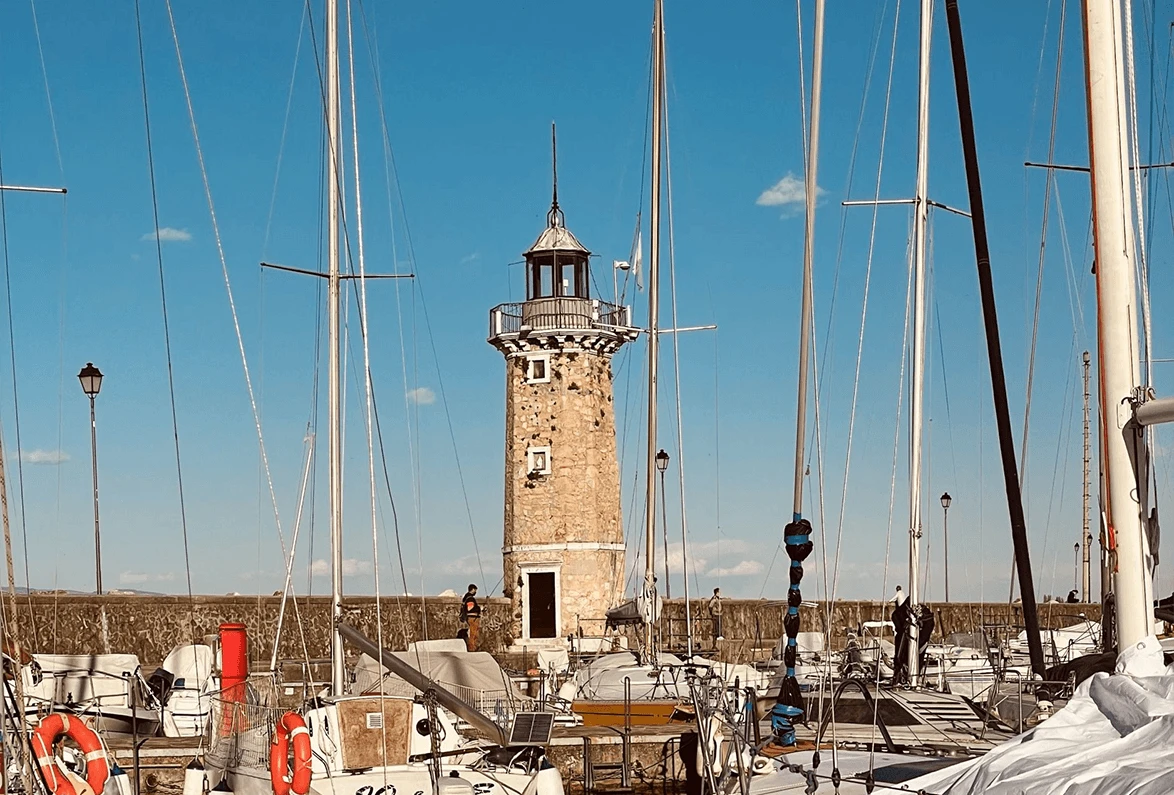
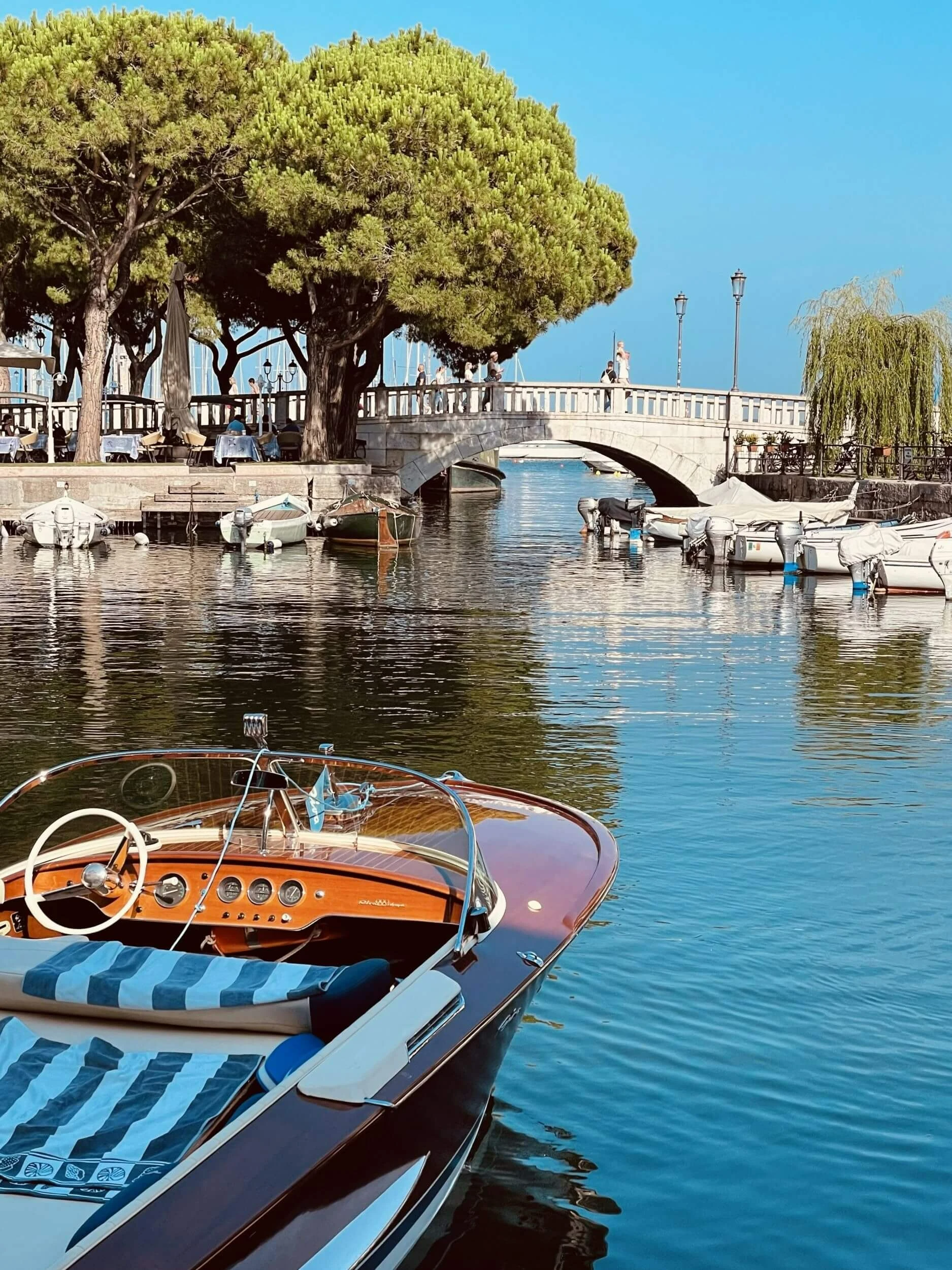
My walk through Desenzano begins at the lakefront, following the row of trees and the beautiful view over Sirmione and the mountains, all the way to the Lighthouse.
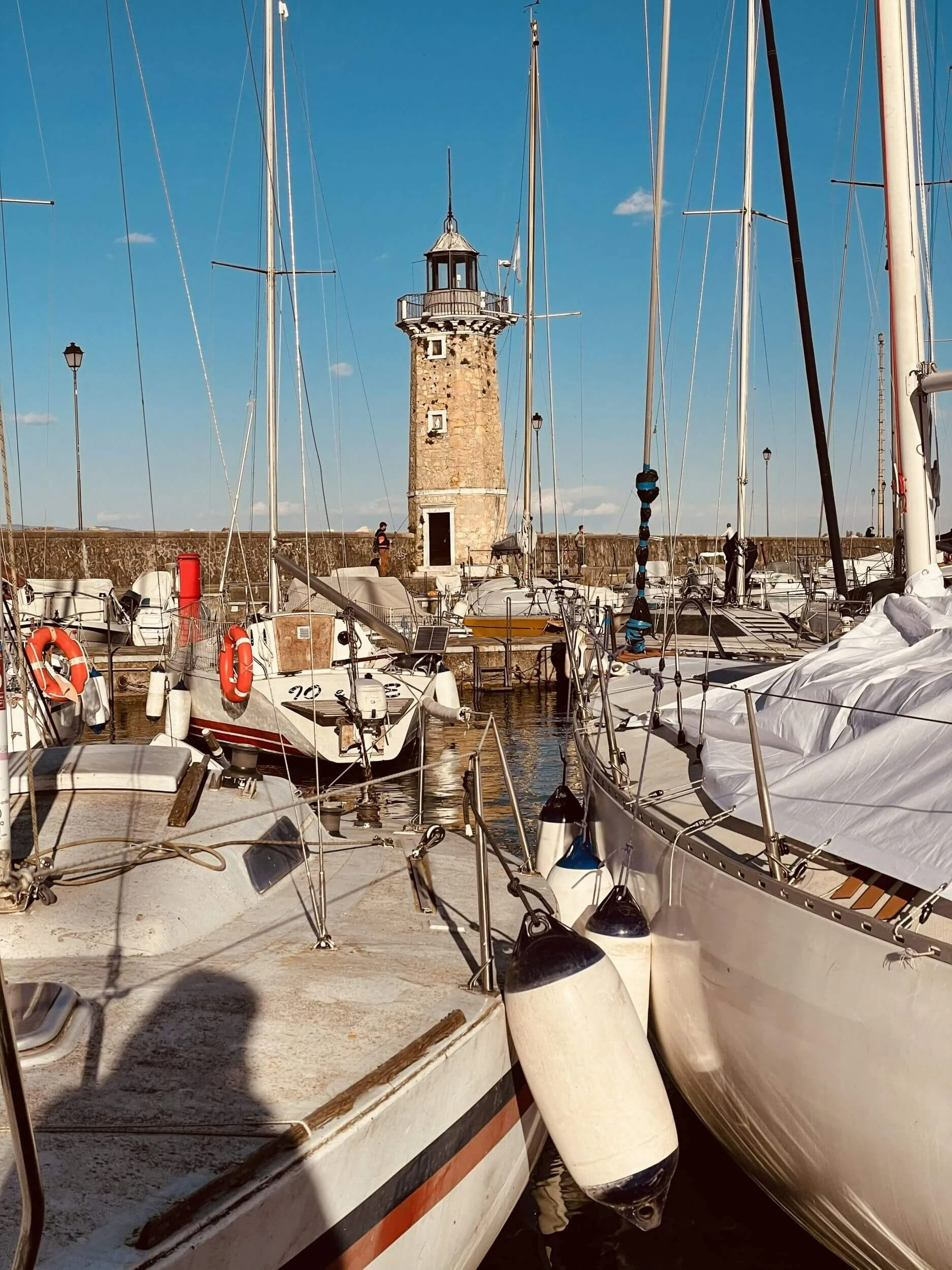
From the white Venetian-style bridge, I go down into the shelter of the Porto Vecchio, where there is always stillness. Here the light is always splendid: soft and golden in the morning, warm and cheerful from noon until sunset. In the morning, I sometimes see the last fisherman returning with his small wooden boat full of nets.
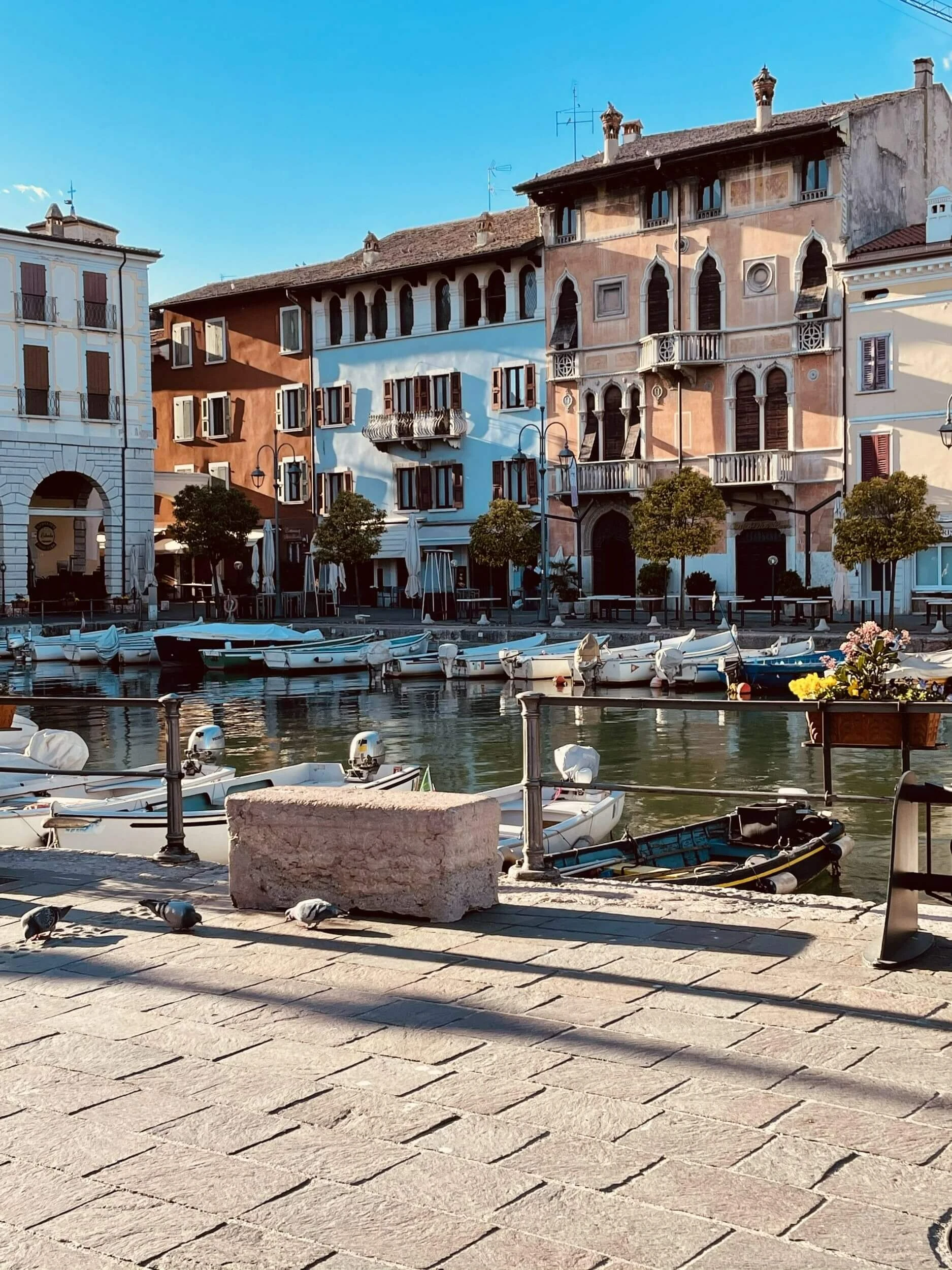
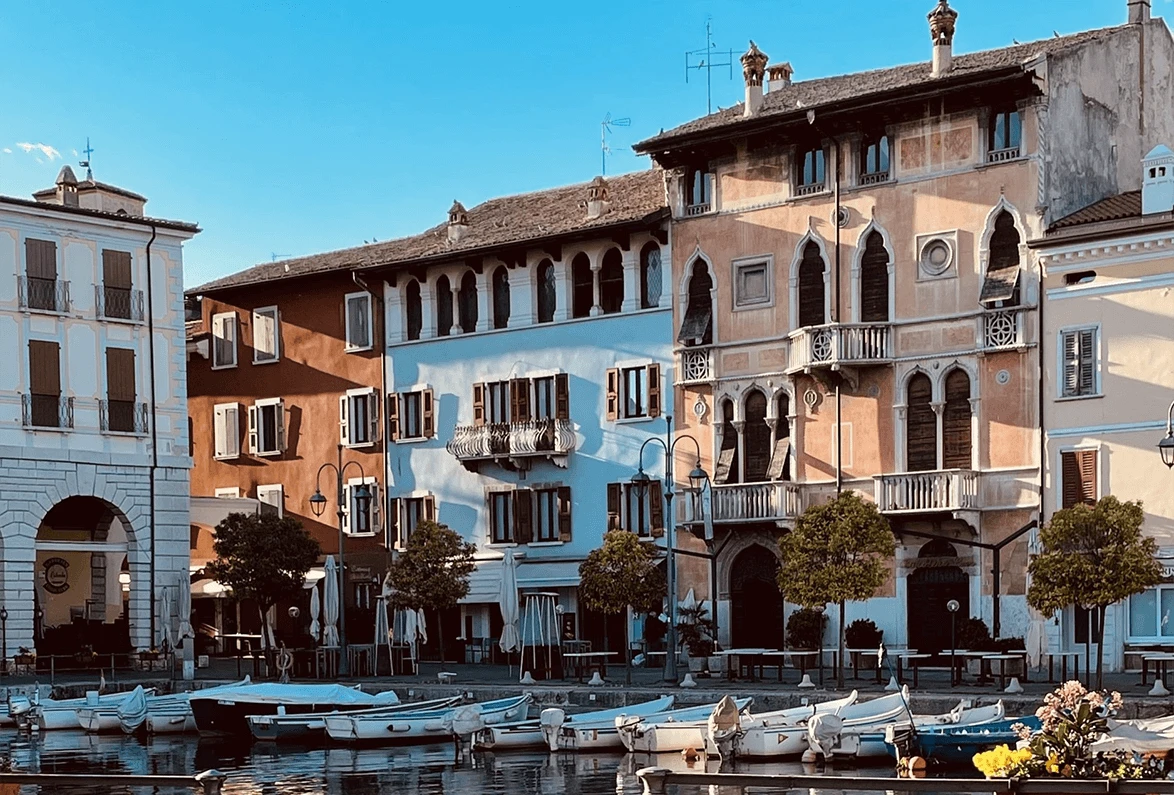
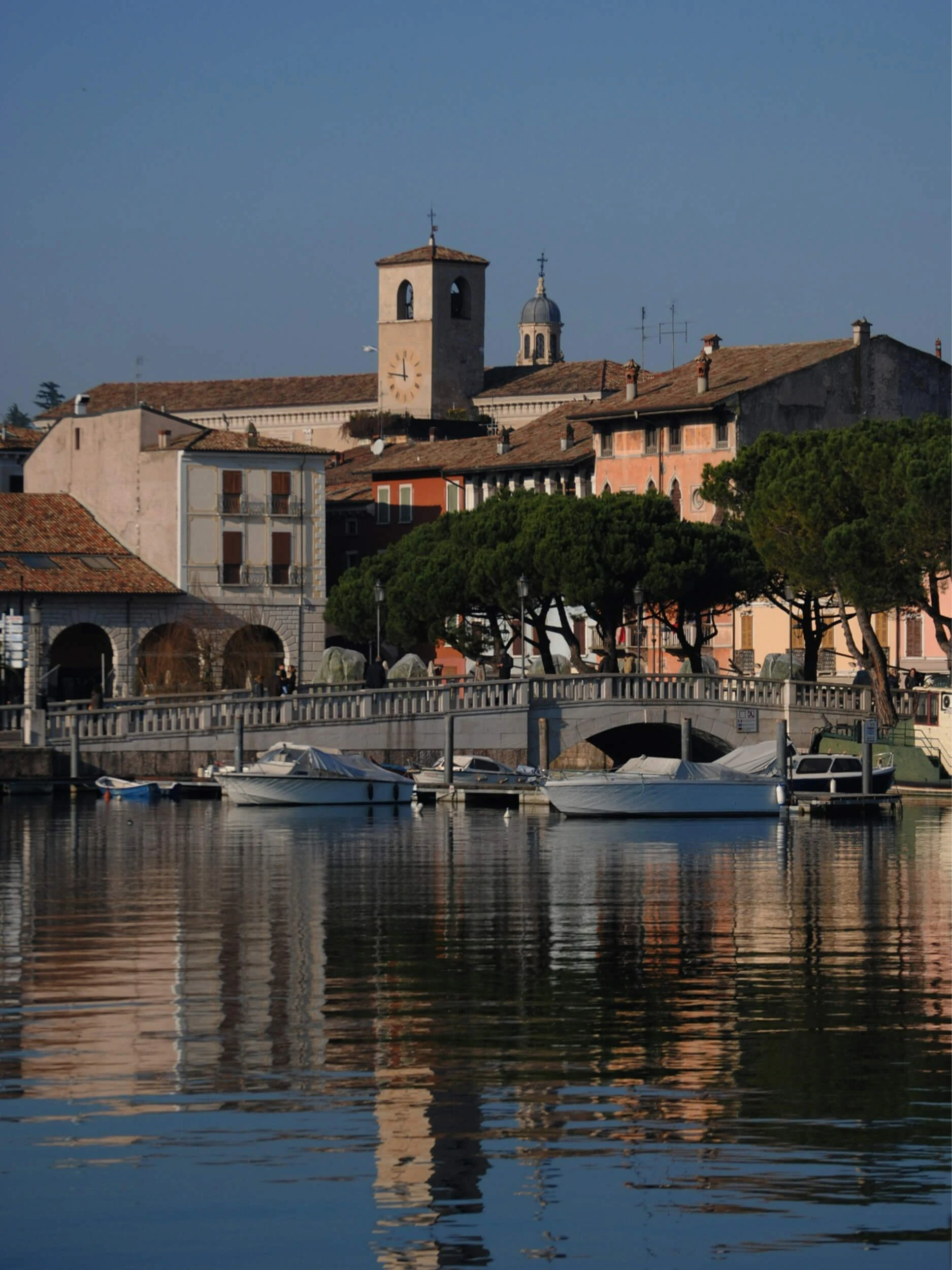
Ahead of me, Piazza Malvezzi opens up with its long arcade: the scent of coffee and brioche fills the air, along with the voices of shopkeepers greeting each other before starting their day. On the right stands the Cathedral of Santa Maria Maddalena, with paintings by Andrea Celesti and Tiepolo; on the left, an apse with a Madonna: she has a gentle face, and whenever I happen to go in, it’s always in front of her that I stop.
The Cathedral:
Built between 1586 and 1611 to a design by the Brescian architect Giulio Todeschini (1524-1603), and dedicated to St. Mary Magdalene, it houses paintings by Andrea Celesti (1637-1712), Giovanni Battista Tiepolo (1696-1770), Zenon Veronese (1484-1553), Palma il Giovane (1544-1628), Andrea Bertanza, and Pietro Calcinardi. The high altar, richly inlaid with marble, is attributed to the workshop of Santo Calegari.
Around the main square, several small alleyways lead up to the Castle; the most traveled is Via Castello, with its colorful houses and small shops. But the most secret alleyway is the one that begins where Ristorante La Stella stands.
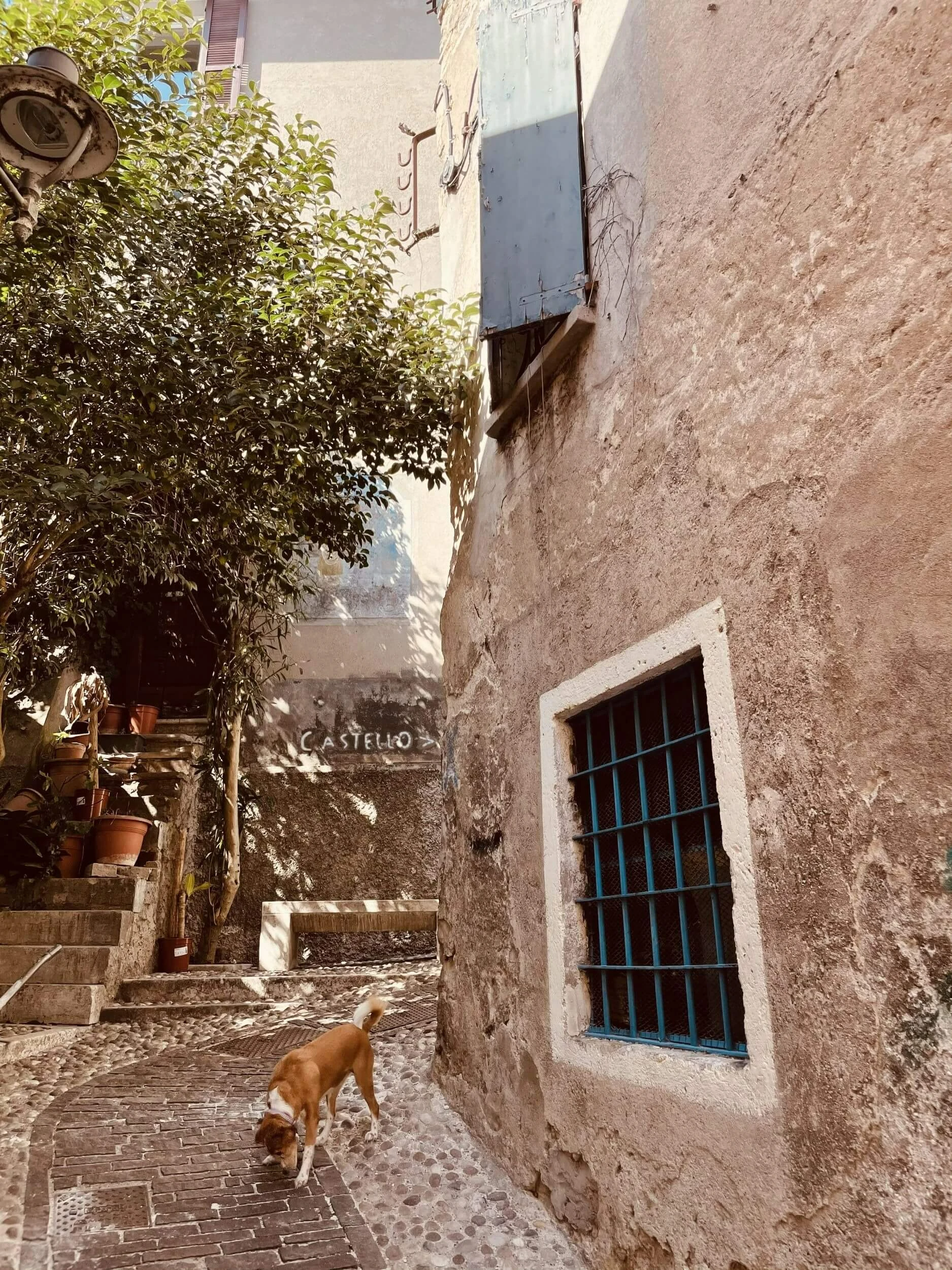
That one is a true Desenzano-local’s secret: it’s steep and reaches the Castle in an instant, but it’s all worth discovering.
From the Castle’s terrace, the view stretches from the Sirmione peninsula reaching out into the middle of the lake, all the way to the western shores that plunge steeply into the water. It’s a view that leaves you speechless every single time.
The Castle:
The Castle is the building that defines the look of the city of Desenzano, whether seen appearing from the inland approach, or viewed from the harbor, or from a distance across the lake. In the late 15th century, the castle, which originated in the Early Middle Ages and probably rose on the foundations of a Roman castrum, was expanded on its southern side, but it never became a military fortress, even though the expansion was carried out to house a garrison. It continued to serve mainly as a refuge for the population.
Of the ancient castle, some sections of the curtain walls remain, with crumbling battlements between the four truncated corner towers, with the exception of the one on the northeast corner, which served as an observatory until 1940. From its terrace, you can enjoy one of the most beautiful views of Lake Garda.
Then I make my way back down toward the town center and head to the Museo Rambotti. Did you know that the oldest plow in the world was found in Desenzano? It’s on display right here, in this small gem that is the Rambotti Archaeological Museum.
Opened in April 1990, it houses the finds brought to light in the Polada peat bog, between Desenzano and Lonato, and in the Lavagnone area, a pile-dwelling settlement about 5 km south of the city. In addition to ceramics, flint arrowheads, weapons, tools, and more, it holds a large wooden plow from the Bronze Age (around 2,000 BC), the oldest in the world; because of its size — one of the two pieces measures 2.20 m — and its excellent state of preservation, it is considered particularly remarkable.
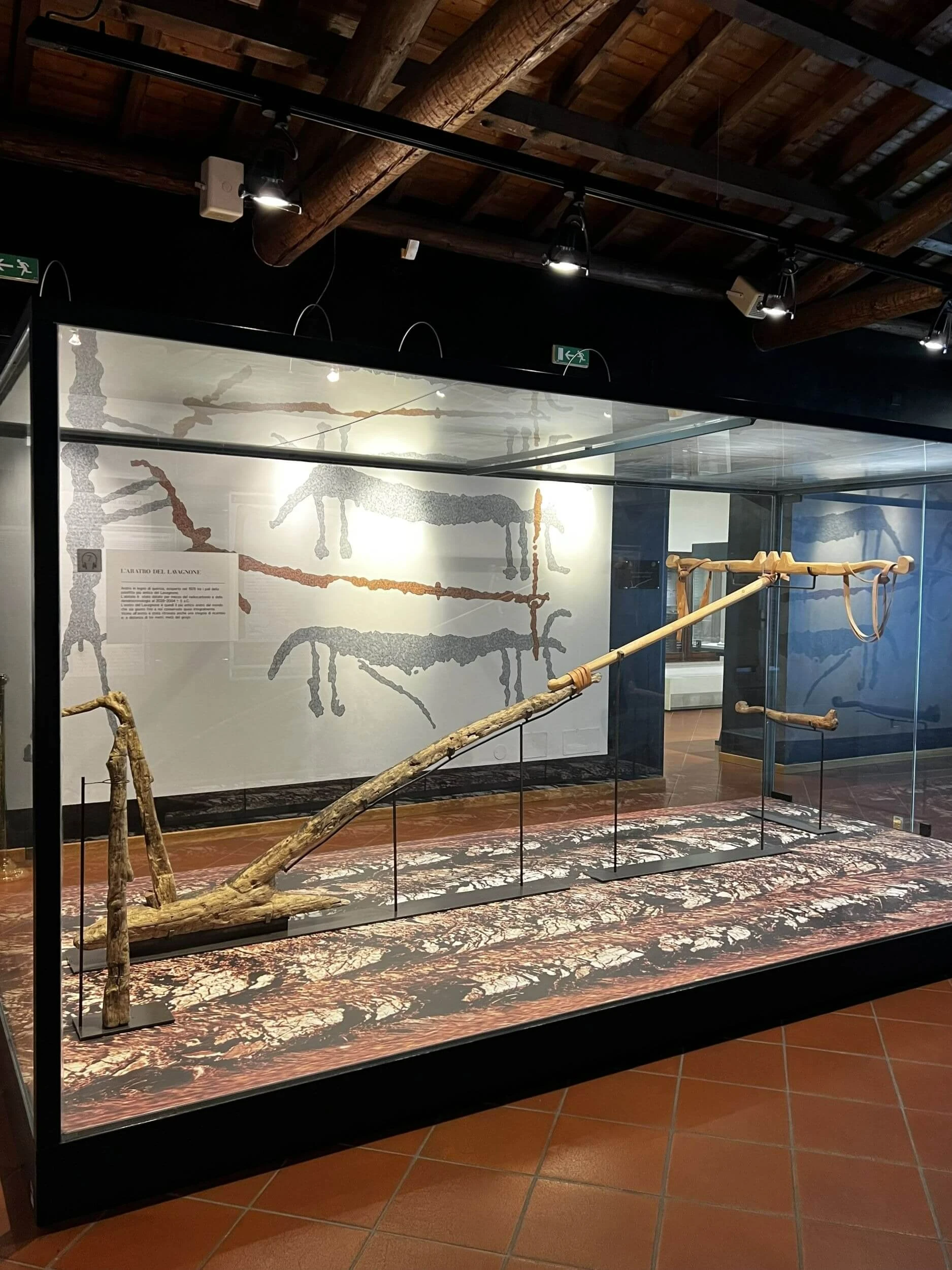
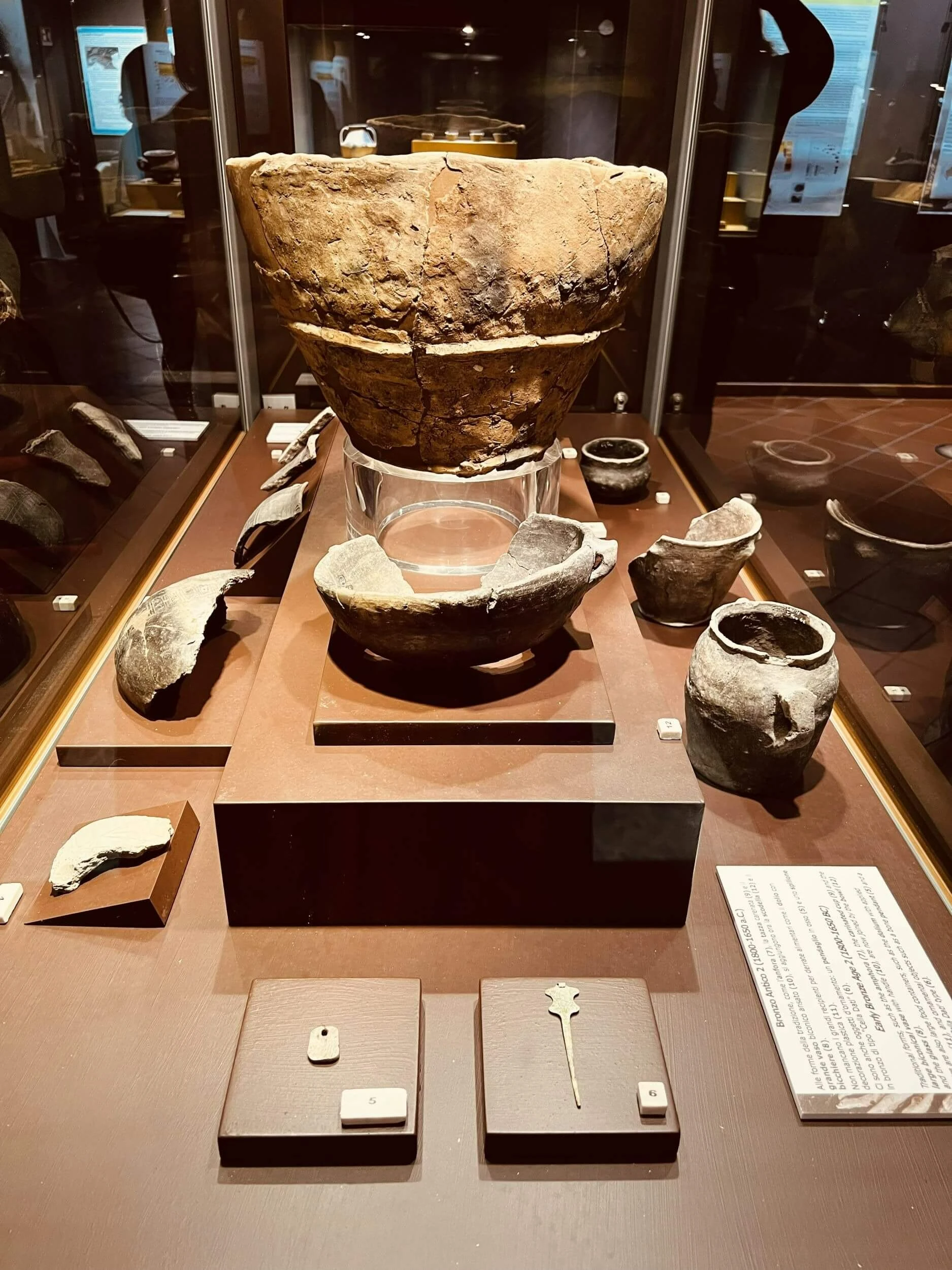
I then head back toward Piazza Malvezzi and walk from Prehistory to the Roman era, toward the Roman Villa, with its splendid colorful mosaics — a rarity for that historical period. Every time I go there, I think that yes, that Roman lord who built this magnificent villa here really got it right: life is good in Desenzano… the Romans understood that centuries before us!
Discovered in 1921, the remains of the Villa extend over about one hectare. It is considered the most important evidence in northern Italy of the great late-antique villas: an initial construction phase dates to the 1st century AD, with completion in the early 4th century. In addition to the Antiquarium, with sculptures, jewelry, utensils, oil lamps, brooches, and more, notable features include the octagonal vestibule, the peristyle, the atrium, the sumptuous trichora hall, and the viridarium, completed by a nymphaeum. The mosaic floors are stunning, depicting scenes of hunting, fishing, and rural life.
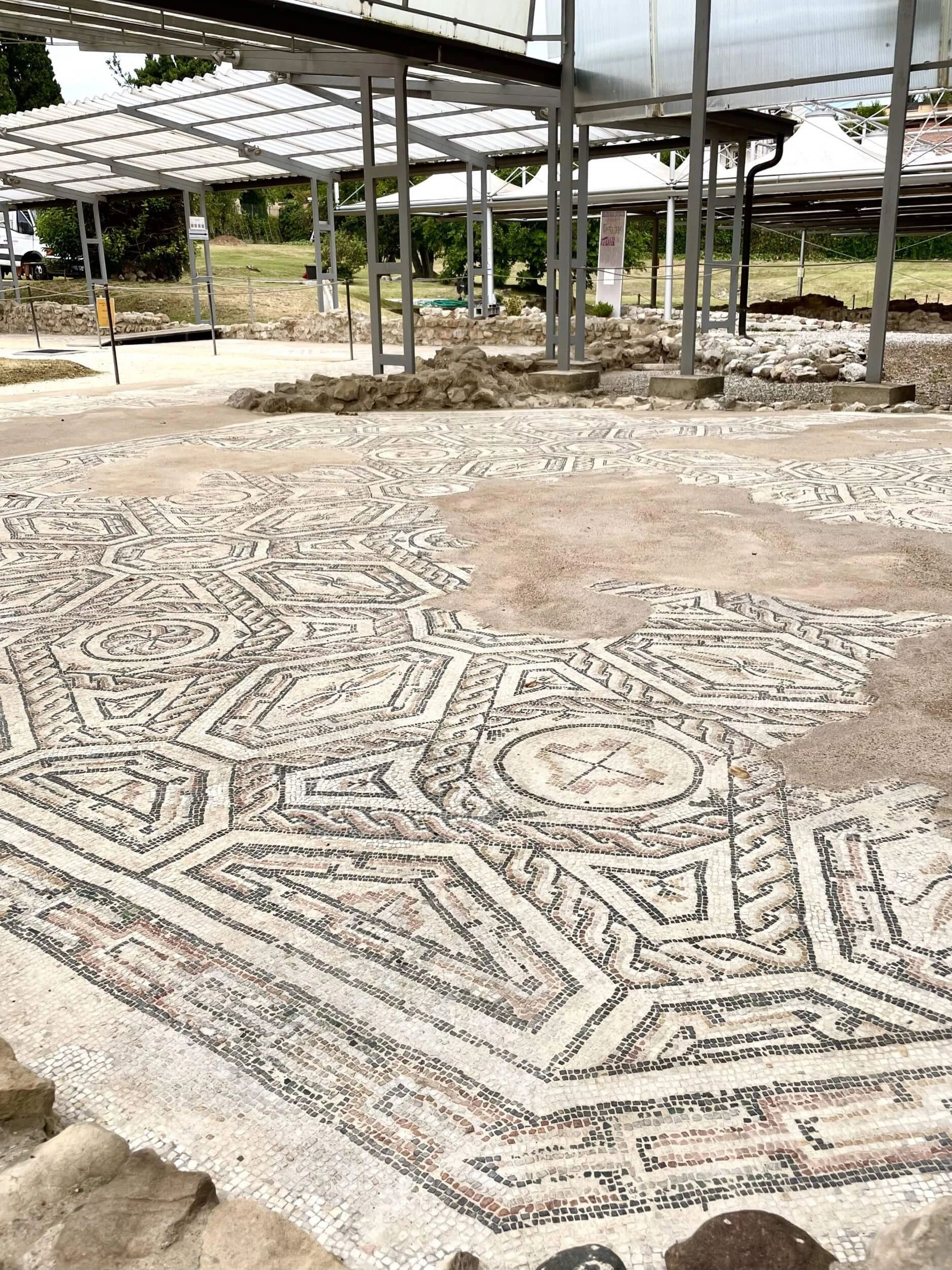
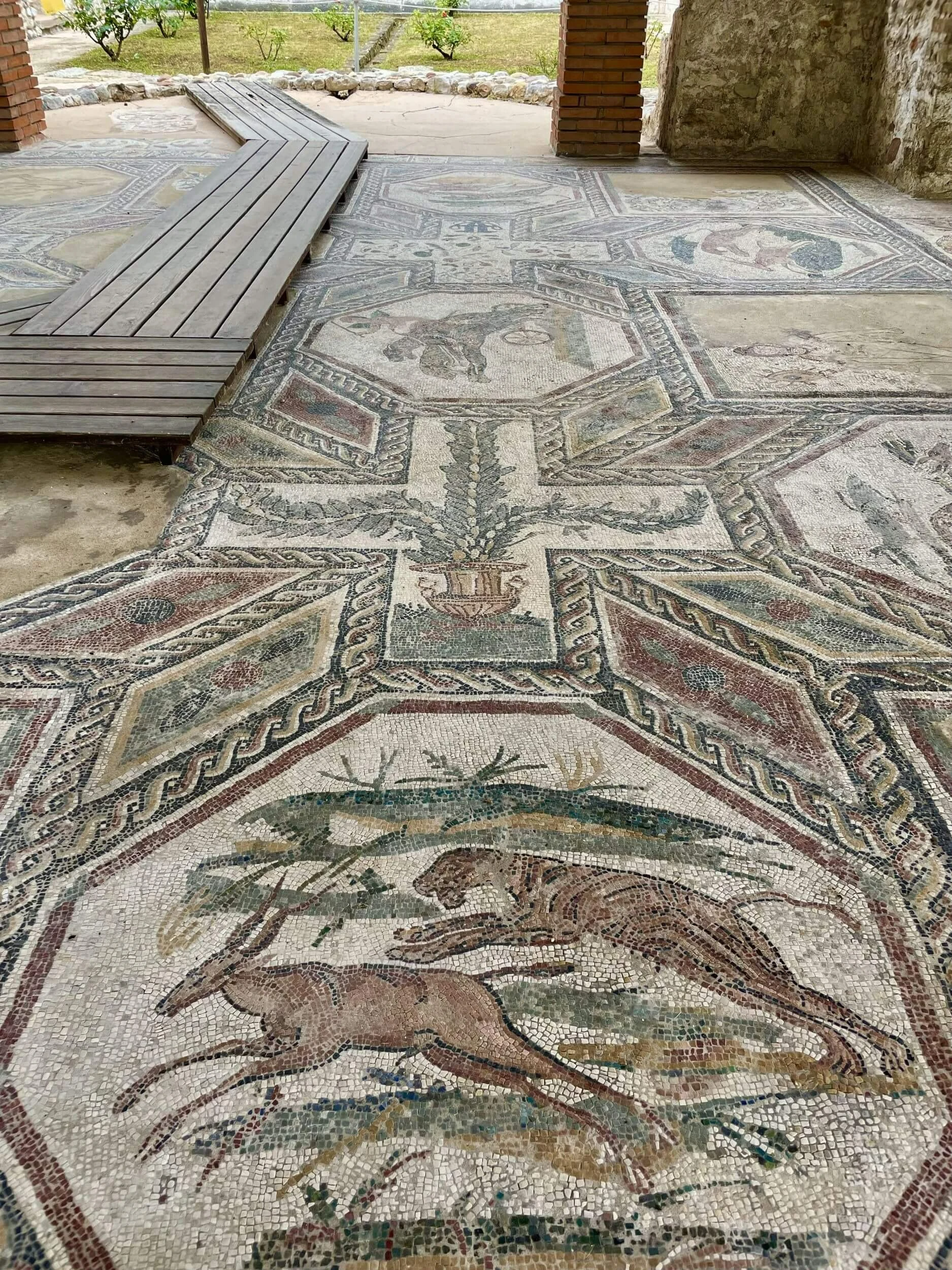
My dose of life, positive energy and broadened horizons has been renewed again today: the desire to accompany you through the streets of our town is always strong, because its beauty, its history and its life truly have the power to chase away every worry and start each new day in the best possible way.